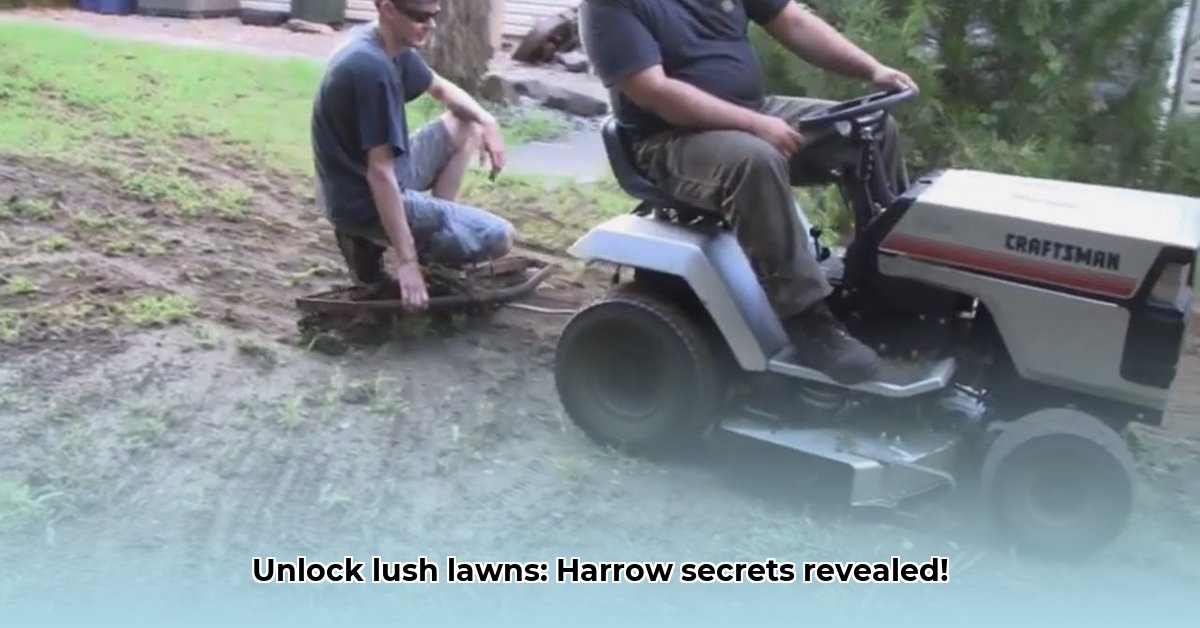
This comprehensive guide provides actionable advice on using a lawn tractor harrow for sustainable soil management. We'll cover selecting the right tool, proper operation, maintenance, and integration into a broader sustainable agriculture strategy. Preparing your soil effectively is crucial for a healthy and thriving lawn, and this guide will equip you with the knowledge and skills to do just that. Learn more about three-point hitches here.
Understanding Soil Types and Tillage Needs
Before selecting a harrow, understanding your soil is paramount. Different soil types require different approaches to tillage. A simple soil test (available at most garden centers) reveals your soil's composition – is it heavy clay, sandy loam, or something in between? This dictates the type of harrow and the intensity of tilling needed. For example, heavy clay soils benefit from more aggressive tillage for improved drainage, while lighter soils may require only light harrowing to prepare a seedbed. Ignoring this step is like baking a cake without knowing your ingredients – the results won't be optimal! Do you know your soil type?
Choosing the Right Harrow
Lawn tractor harrows come in various types, each suited for specific tasks and soil conditions. The two main types are drag harrows and disc harrows.
Drag Harrows: These are ideal for lighter soils, providing gentle tilling that minimizes soil disturbance. They're perfect for seedbed preparation and leveling. Think of them as the "massage therapists" for your soil, promoting aeration without aggressive disruption.
Disc Harrows: These are more aggressive and best suited for breaking up compacted or heavy clay soils. They're excellent for tillage in challenging conditions but require more power. However, their aggressiveness can increase the risk of erosion if not used carefully. They are the "personal trainers" of soil prep, tackling tougher situations, but requiring a more cautious approach.
Beyond type, consider size and weight. Larger harrows cover more ground but might be unwieldy in smaller spaces. Weight is crucial – too light, and it won't penetrate deeply enough; too heavy, and you risk compacting the soil.
| Harrow Type | Pros | Cons | Best For |
|---|---|---|---|
| Drag Harrow | Gentle on soil, minimizes disturbance | Less effective on heavy or compacted soil | Light soils, minimal tillage, seedbed prep |
| Disc Harrow | Effective on compacted soil, aggressive tilling | More disturbance, potential for erosion | Heavy clay soils, significant tilling needed |
Proper Harrow Setup and Operation: A Step-by-Step Guide
Attaching and operating your harrow correctly is vital for efficient and safe soil preparation. Follow these steps:
Hitching: Securely attach the harrow to your lawn tractor's three-point hitch, following the manufacturer's instructions precisely. Safety is paramount! A proper hitch prevents accidents and ensures optimal function.
Depth Adjustment: Adjust the harrow's depth setting. Begin shallow and increase gradually as needed. Over-tilling damages soil structure and increases erosion risk. Multiple shallow passes are often preferable to one deep pass.
Initial Pass: Proceed slowly during your first pass to observe the harrow's interaction with your soil. Make adjustments to depth or speed as needed. Think of it as a "test run" for optimal settings.
Subsequent Passes: Depending on your soil's condition, multiple passes may be necessary. Assess the soil's response after each pass to determine your next steps. Consistent observation is key to effective soil preparation.
Safety Precautions: Always wear appropriate safety gear (eye protection, sturdy footwear) and remain aware of your surroundings. Never operate heavy equipment when tired or distracted.
Maintenance and Storage: Extending Harrow Lifespan
Proper maintenance prolongs your harrow's life and minimizes environmental impact from premature replacement. Follow these steps:
Cleaning: Thoroughly clean the harrow after each use, removing any soil or debris.
Lubrication: Lubricate moving parts as per the manufacturer's recommendations. Regular lubrication prevents wear and tear.
Storage: Store your harrow in a dry, protected area to prevent rust and damage. Proper storage protects your investment and extends your harrow's lifespan.
Integrating Harrowing into a Sustainable Soil Management Plan
Harrowing is a valuable tool, but it's most effective within a broader sustainable soil management plan. Integrating it with practices like cover cropping (planting crops to improve soil health) can minimize the need for aggressive tilling. Consider reduced-till or no-till farming techniques to reduce soil disturbance further. A comprehensive approach leads to healthier soil and a more sustainable lawn care strategy.
Troubleshooting and Problem-Solving
Even experienced users encounter challenges. Here's how to address common issues:
Clogging: Adjust depth or speed, or select a harrow better suited to your soil type. Clearing blockages promptly ensures smooth operation.
Uneven Tillage: Overlapping passes help achieve even tilling. Adjust depth settings if necessary. Proper technique and adjustments are key to consistent results.
Bent Tines/Discs: Repair or replace damaged components immediately. Ignoring damage leads to inefficiency and potential safety hazards.
Conclusion: Reap the Rewards of Sustainable Soil Management
By following this guide, you'll master the use of your lawn tractor harrow and integrate it into a comprehensive strategy for sustainable soil management. Remember, responsible harrowing practices are vital for minimizing soil erosion and preserving the health of your lawn and the environment. The investment in understanding your soil and employing proper techniques translates to a healthier lawn and a sustainable future!